On my last day in Tofino, I learned of the Ahousaht (Uh-HOW-zit) First Nation people from a tourist flyer’s 1-line mention of their “Walk the Wildside” Trail. Within 24 hours, I was on the trail, experiencing one of the 5 Most Amazing hikes of my life. (See 21st Post.)
But quite unexpectedly I also found myself in the midst of one of the most moving and immediate cultural immersions I’ve ever encountered.
Accessible only by float plane or boat, the Ahousaht First Nation is located on territory encompassing much of Clayoquot Sound along Vancouver Island's west coast. It is one of the world’s largest tracts of primary low-elevation coastal temperate rainforests. It supports many rare species, wild salmon, bear, cougars and wolves. It is home to giant cedar trees more than 1,000 years old. It is an extraordinarily pristine and beautiful place.
The population of the Ahousaht First Nation numbers less than 3,000 yet constitutes the largest membership within the confederated Nuu-chah-nulth Nation. Almost 2,000 live on Flores Island, which is – both logistically and culturally – an island within an island. An hour-long boat trip north of Tofino, it has only fragile economic and administrative links to the outside. And it is decidedly off the beaten-path of most visitors touring Vancouver Island.
I learned upon my arrival that I was the only white man on the island. My status as a municipal oddity was underscored when I took a late-evening stroll around the village and was stopped for friendly conversation by a remarkable cross-section of the village -- first by the principal of the K-16 school, then by several of his young charges, and… yes, finally by the pair of town drunks who bragged of being able to regularly collect enough aluminum cans-for-cash to keep the alcohol flowing.
The Ahousaht people proudly identify their Flores Island village as Ahousaht. The Canadian government, with mind-numbing insensitivity, identifies the village as Marktosis Indian Reserve #15.
The naming of the village is just one example of the disparity between natives’ long heritage of local self-determination and outsiders’ recent focus on regional economic and environmental management. But the greatest example of this disparity may be the conflicting ideas of the village elders and… the United Nations.
Ask the village elders to describe their society, and they’ll explain, “As part of the Nuu-chah-nulth we continue to follow our ancestors' true self-determination and real self-sufficiency when they lived and thrived on the lands and waters on the West Coast of Vancouver Island. Our vision is self-government that promotes strong, healthy communities, which are guided by n'aas, the Creator, and Hawiih, our Hereditary Chiefs.”
Ask the same question of the United Nations, and you’ll be told that the United Nations Educational, Scientific, and Cultural Organizations (UNESCO) in 1999 granted Clayoquot Sound its official Biosphere Reserve Area designation in 1999 to establish a “voluntary, cooperative detachment to protect the biological and cultural diversity of a region while promoting sustainable economic development.”
Fat chance. The collapse in the last decade of the region’s fishing grounds has deprived the Ahousaht people of their traditional means of self-sufficiency. Members now migrate off-island to find jobs. Sadly, the Nation reports that “there is a strong interest among those living ‘away from home’ to return if housing and employment were available on its homeland.” But island housing is scarce and/or sub-standard. And there’s no economic driver to build new housing or to support new jobs on Flores. See Photo Gallery for pictures of the village’s frail buildings, dirt streets and deteriorating waterfront.
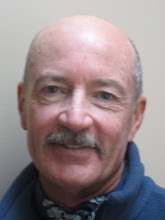
My insights into the plight of the Ahousaht First Nation came from conversations with the many village residents I met. But the greatest insights came from Trevor Tittian, a soft-spoken and youthful-looking grandfather who shared with me the history of the island’s “Walk on the Wildside” trail.
See Photo Gallery for his picture(s).
Trevor explained that the trail itself is ancient, a centuries-old route for natives living on the island. But access for outsiders began barely a decade ago. The idea sprang from a group of island women who saw 'Walking the Wildside' as a way to pump a few eco-tourist dollars into Ahousaht’s desperate economy. From the beginning, Trevor has been a tireless champion of the project, and a stalwart member of the trail building team. He was also my guide for a day’s hike I will always remember. See 21st Post.